A Continuous Manufacturing Process Using an Extruder
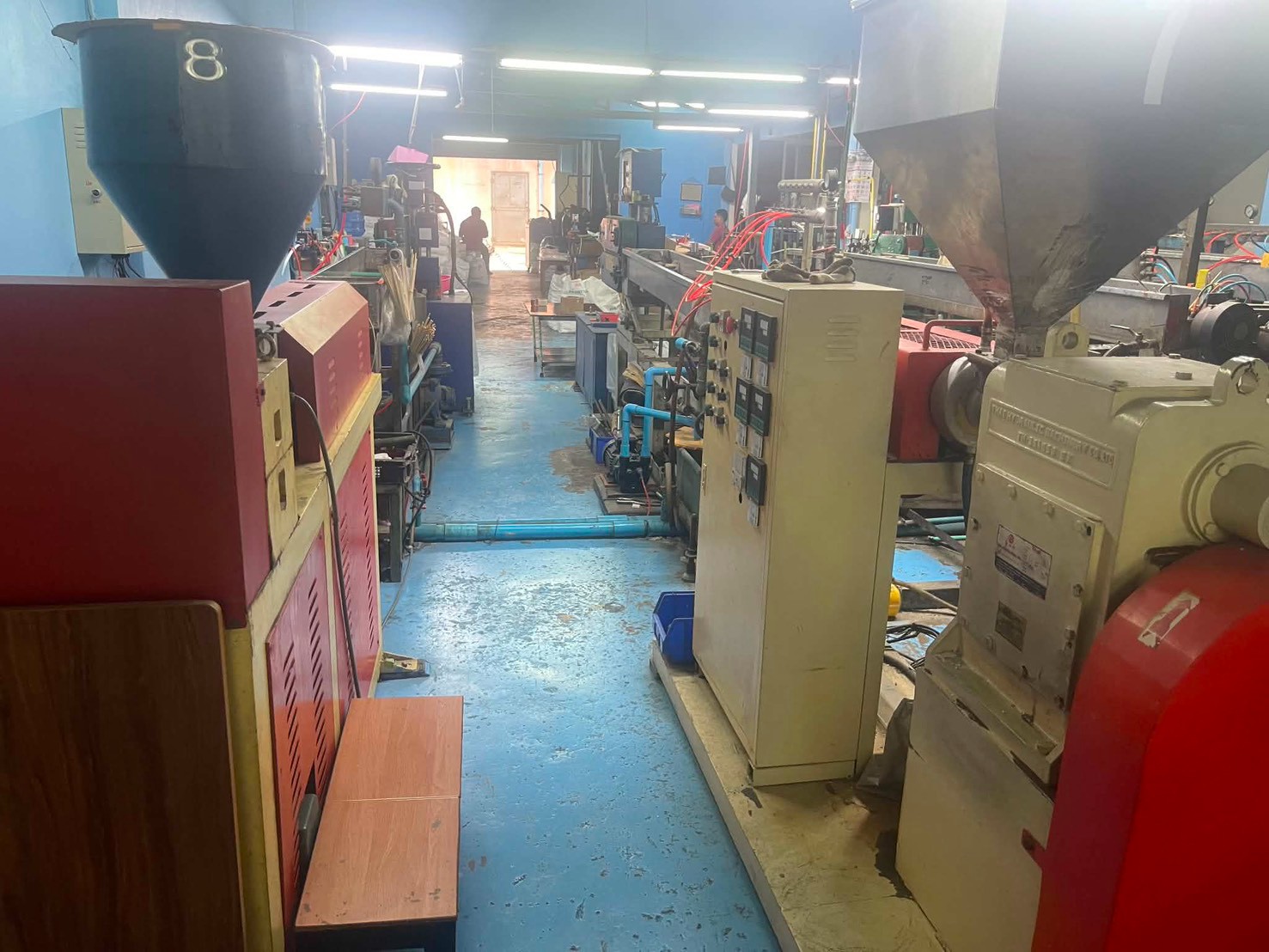
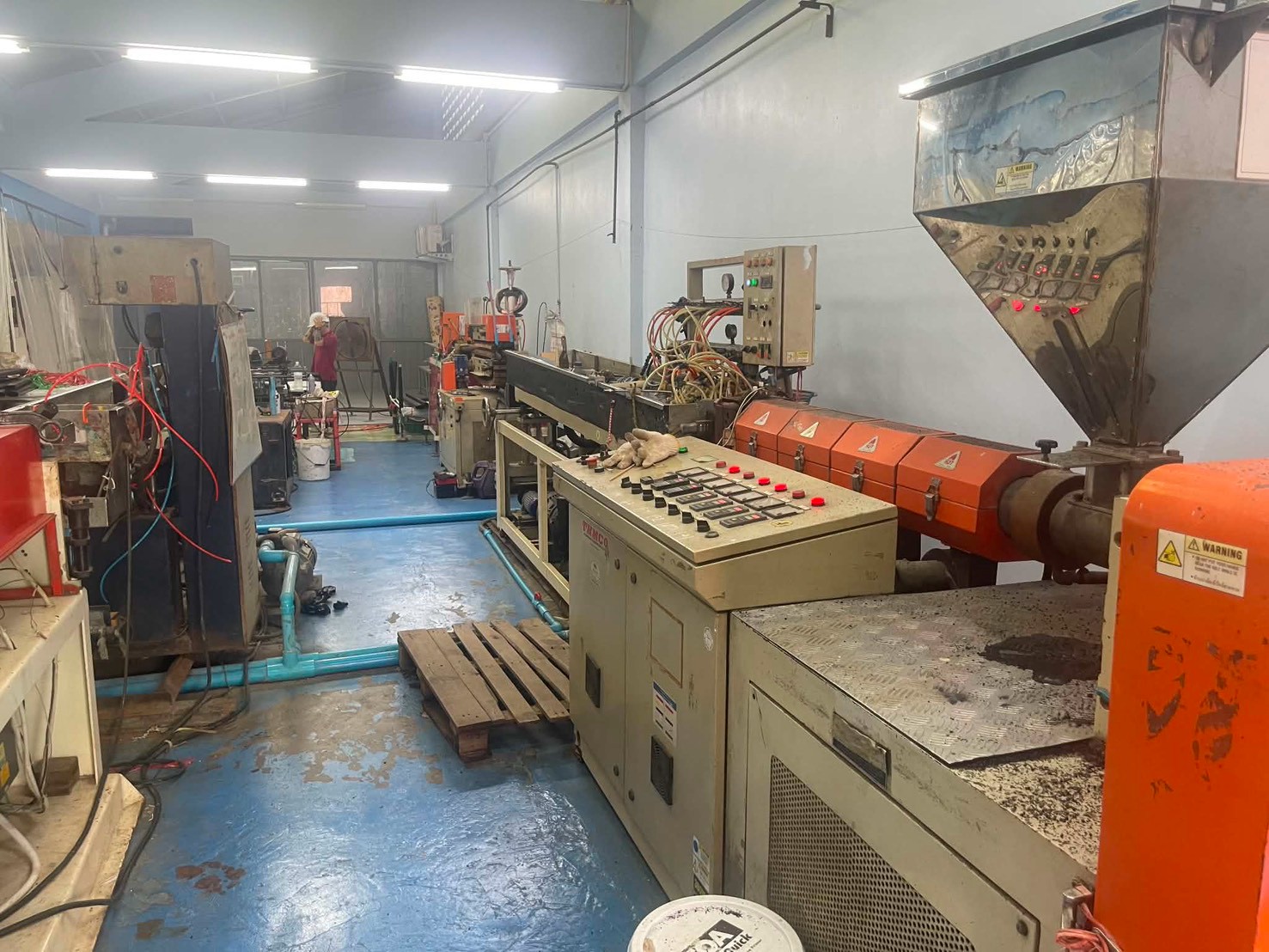
Plastic extrusion is a continuous manufacturing process. Plastic pellets are fed into an extruder, where a rotating screw carries the raw material through a barrel fitted with heaters that control temperature, melting the pellets into a viscous liquid.
The molten plastic is then forced through a die engineered to match the part's cross-section, before passing through cooling and sizing equipment. The part is then pulled continuously off the line, cut, and finished to the specified dimensions.
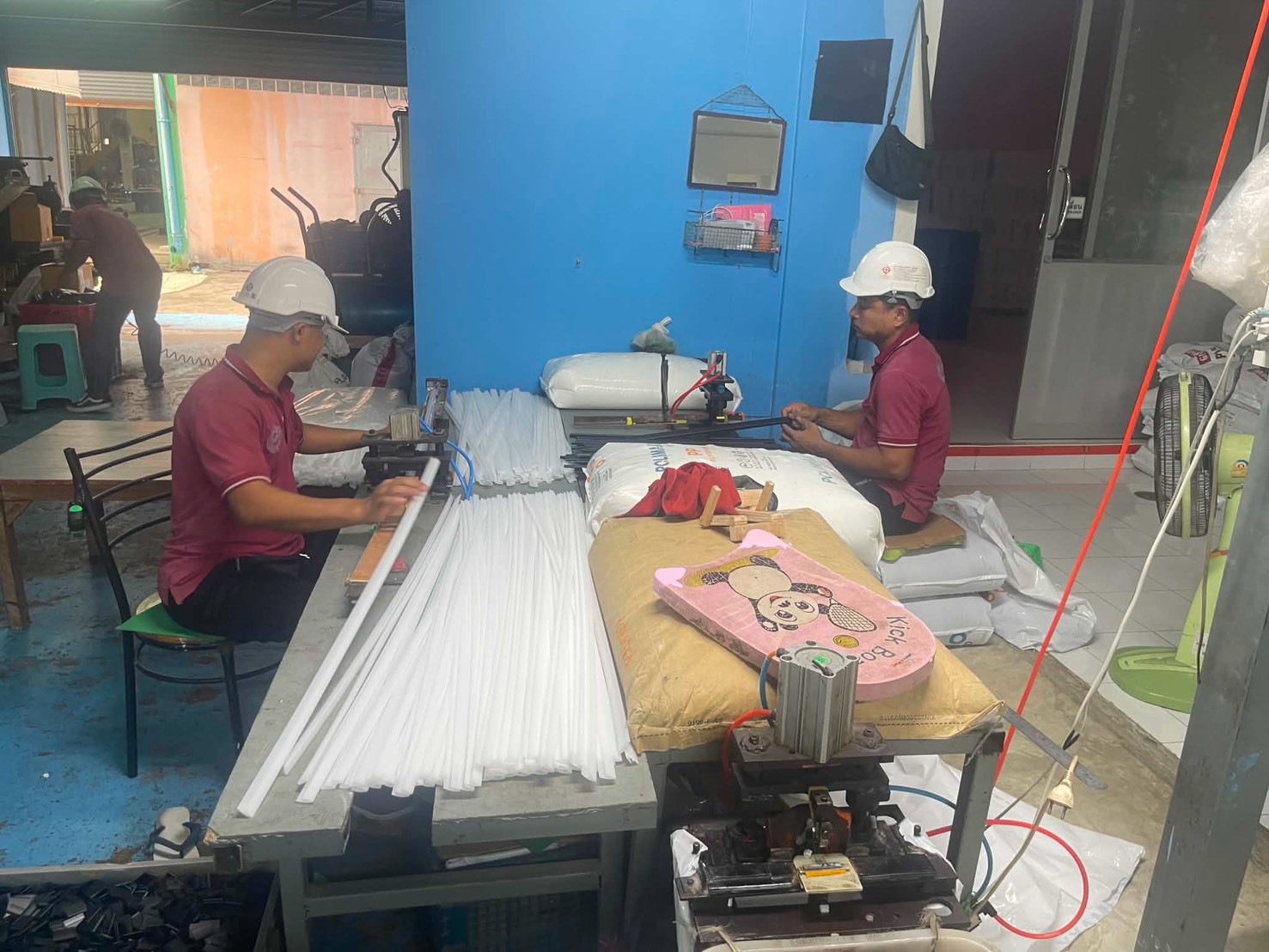
Because of this continuous nature, extrusion suits parts with a constant cross-section along their length — such as pipes, channels, rods, cords, strips, and other plastic profiles.
6 Steps in the Plastic Extrusion Process
How the extruder works internally, from feeding in raw material to a finished part.
Feeding Plastic Pellets Into the Machine
Plastic pellets from the hopper are fed steadily into the extruder's barrel.
Melting Inside the Heated Barrel
A rotating screw inside the barrel carries the pellets through a set of heaters with controlled temperature, melting them into a uniform, viscous liquid.
Forcing Through the Die
The molten plastic is forced through a die engineered to match the part's cross-section, shaping it into the intended form.
Cooling and Sizing
The part leaving the die passes through cooling and sizing equipment to hold its shape and dimensions steady.
Pulling the Part Off the Line
A haul-off unit pulls the part off the production line at a steady speed, keeping the production run continuous.
Cutting and Finishing
The part is cut to the specified length and given a final finish before quality inspection and delivery.
Raw Material Before Processing
Plastic pellets selected to suit the part are fed into the extruder.
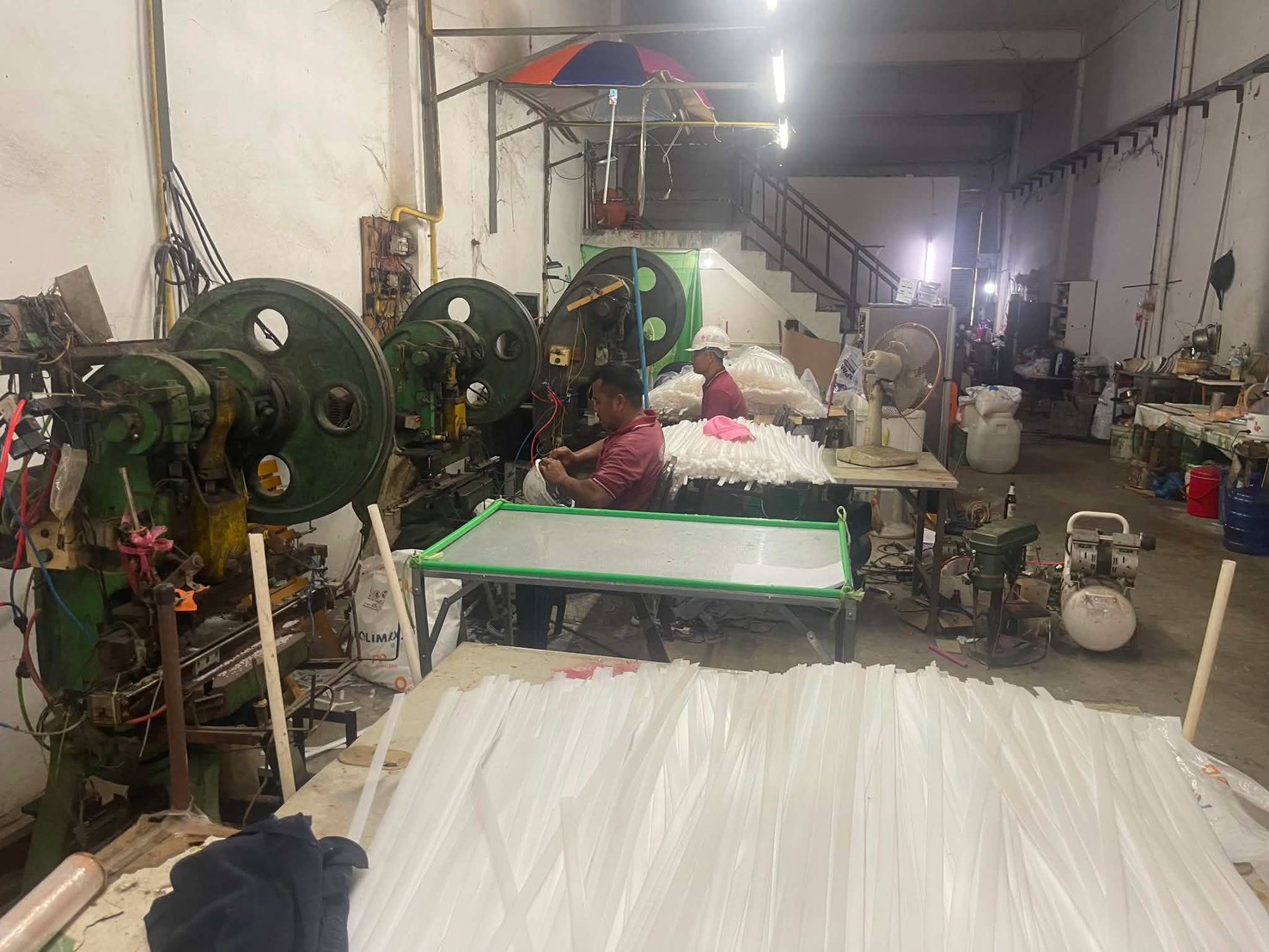
The Die That Shapes the Cross-Section
Each die is engineered to match the cross-section and dimensions of the part being manufactured.
What It's Suited For, and Its Key Advantages
Suitable For
- Plastic pipe
- Plastic channel/track
- Plastic rod
- Plastic cord
- Plastic strip/banding
- Plastic profile
- Parts with a continuous cross-section
Key Advantages
- Fast, continuous production
- Precise control of shape and cross-section
- Consistent, uniform parts
- Supports high-volume production
- Custom dies can be engineered
- Lower cost per part at suitable volumes
Questions About Plastic Extrusion
How is extrusion different from injection molding?
Do you need a new die every time?
What cross-sections can you support?
How does the plastic pellet raw material need to be prepared for extrusion?
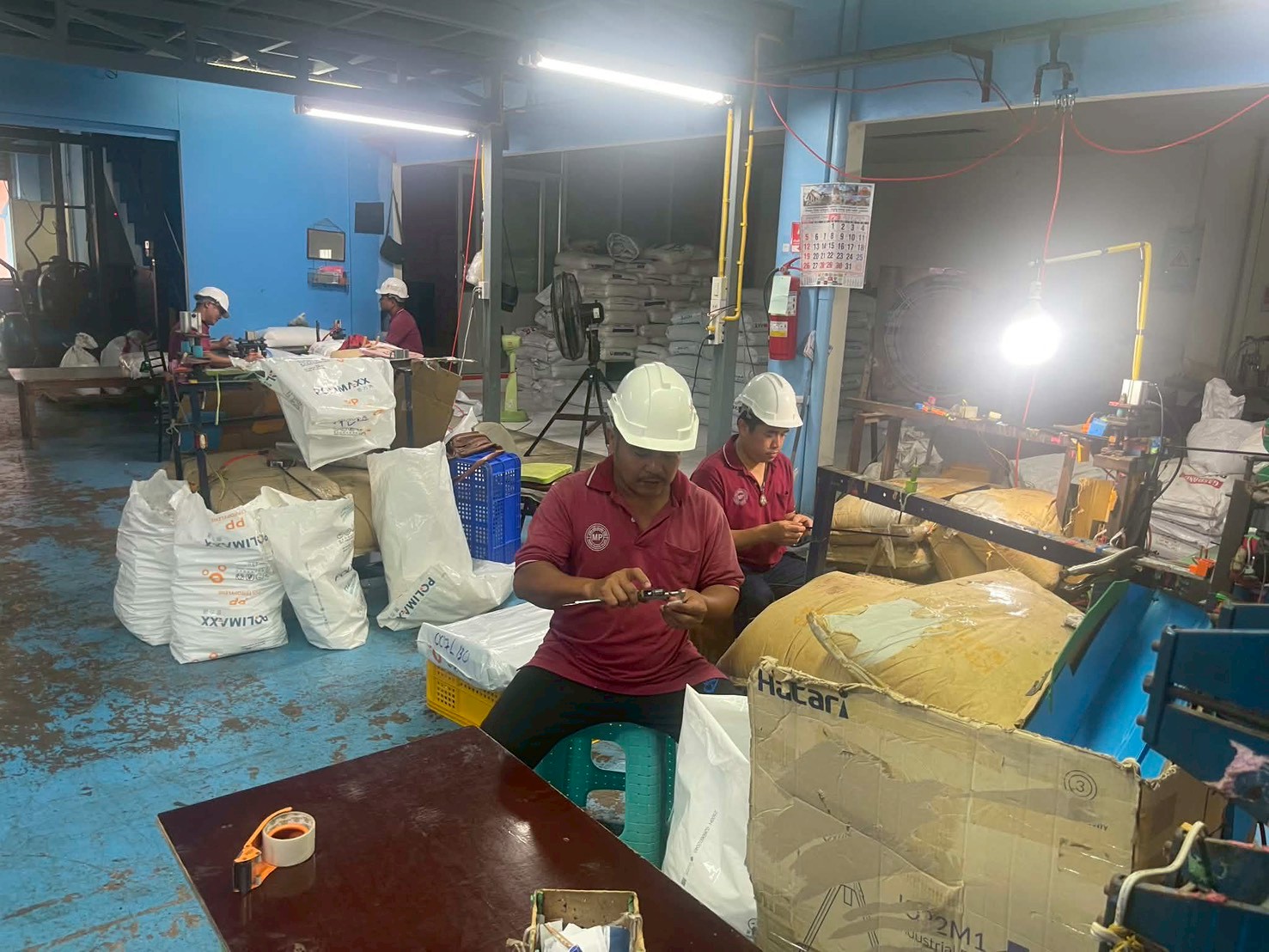
Have a Part You Need Manufactured Through Extrusion?
Send a drawing, a sample part, or the basic details, and our team will evaluate the cross-section, material, and manufacturing feasibility.